What to Confirm Before Ordering a Single Girder Overhead Crane for a New Workshop
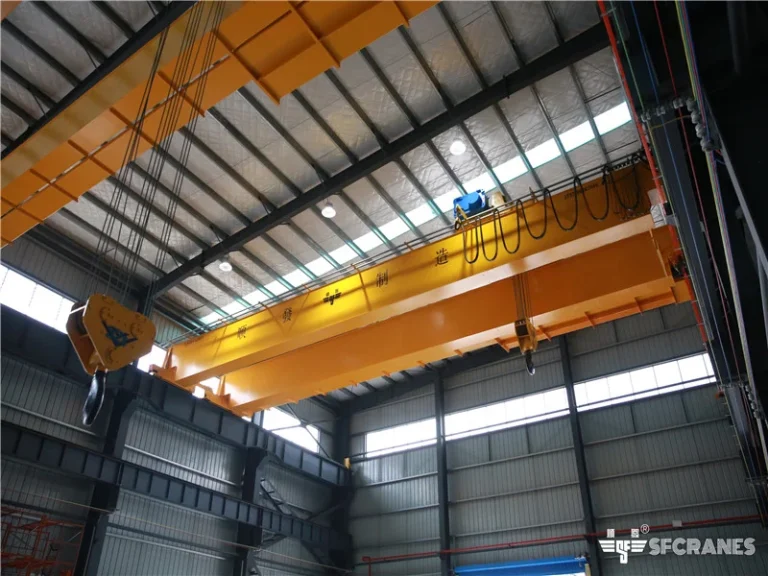
A single girder overhead crane looks simple on a drawing. In real projects, the problems usually start before fabrication: a span measured from the wall instead of the runway centerline, a hook height that ignores the hoist body, or a load description that says only about five tons. Those small gaps can change the crane, the runway and the installation plan.
If you are comparing an overhead crane for a new workshop, confirm the site data first. The right model should come from the building, the load and the daily handling rhythm, not only from a capacity table.
Start with the real load, not only the rated tonnage
The rated capacity should include the workpiece and anything hanging below the hook. Lifting beams, clamps, spreaders, magnets and special fixtures are part of the lifted load. In some workshops, the fixture is heavy enough to change the crane capacity or the hoist selection.
Write down the heaviest load used today, the heaviest load already planned for the next few years, and the weight of the lifting tool. Do not use an occasional overload as a normal working method. If the heaviest lift is rare but important, tell the crane supplier exactly how often it happens.
Measure the span together with the runway
Crane span is the distance between the runway rail centerlines. It is not always the clear workshop width. If the building is still under design, decide the runway position before the steel structure is finalized. If the building already exists, measure the runway directly and photograph the columns, rail, beam, end stop and roof structure.
The span affects bridge weight, wheel load, runway beam size and installation access. A small mistake at this stage can turn into a bigger cost after the crane drawing is approved.

Lifting height decides whether the crane is useful
Building height and useful hook height are different numbers. The usable hook height is what remains after the runway beam, crane girder, hoist body and hook block are in place. Lights, pipes, roof trusses and ventilation ducts can also reduce the clear path.
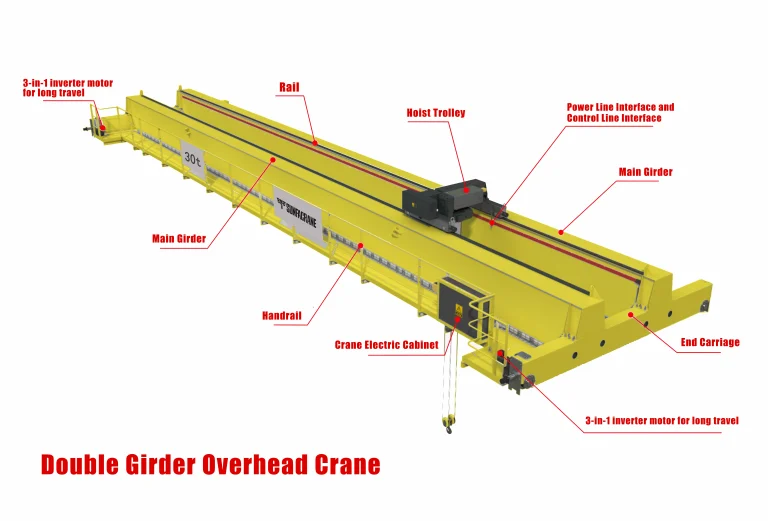
For light and medium workshop handling, a single girder overhead crane is often practical and economical. If the workshop needs more hook height, a wider span or heavier duty, compare it with a double girder overhead crane before confirming the layout.
Choose duty class from the handling rhythm
Two cranes with the same capacity can have very different lives. One may lift maintenance parts a few times a week. Another may feed a production line all day. The second crane needs more attention to working class, motor selection, brake life, wheel load and electrical control.
- Occasional maintenance lifting: confirm capacity, hook coverage and safe access.
- Daily production handling: review lifting cycles, travel distance and operator visibility.
- Frequent positioning work: consider inverter control, smoother braking and easier service access.
Power supply and controls should match the workshop
Confirm voltage, power entry point and the power supply method before the final quotation. Festoon cable, conductor bar and cable reel layouts each suit different runway lengths and working environments. Control choice should follow the way the crane is used, not only the lowest price.
Pendant control is simple for many workshops. Wireless remote control can help when the operator needs a better view of the load. For special or high-duty applications, speed control, anti-sway settings and protection devices should be discussed early.
When single girder is not the right choice
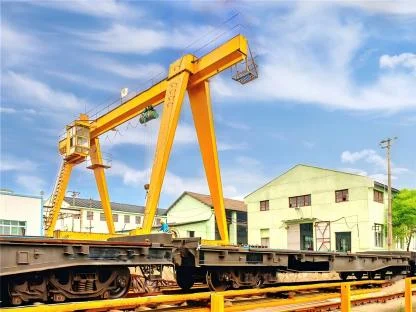
A single girder crane is not automatically the best answer for every building. Heavy loads, long spans, high duty cycles, large below-hook tools or strict hook-height requirements may point toward a double girder system. Outdoor work or a building without runway support may be better served by a gantry crane or a lighter workstation system from the light crane range.
A useful crane quote should explain why the selected structure fits the workshop. If the recommendation only repeats capacity and span, the important checks are not finished.
A practical checklist before asking for a quote
- Maximum load weight, including fixture or spreader weight.
- Workshop width, runway center distance, runway length and clear height.
- Column spacing, roof truss position, lights, pipes and other overhead obstacles.
- Daily lift count, travel distance and whether the crane works in one shift or multiple shifts.
- Hook approach needed at both ends and both sides of the workshop.
- Available voltage, control preference and installation access for trucks or lifting equipment.
- Site photos or a similar reference from the project gallery.
What we usually ask for before pricing
For a new workshop, the most useful documents are a building plan, section drawing, load list and a few site photos. If drawings are not ready, a hand sketch with dimensions is still better than guessing. The first goal is to avoid a crane that fits the catalog but not the building.
If you are planning a new workshop crane, send the span, lifting height, load details and site photos through the contact page. The recommendation will be clearer when the crane is checked against the real working area.