How to Check Your Workshop Before Buying an Overhead Crane
Many buyers start an overhead crane inquiry with one sentence: I need a 5 ton crane, or I need a 10 ton crane. That is a useful starting point, but it is not enough to choose the right crane. The workshop usually answers more questions than the product catalog does.
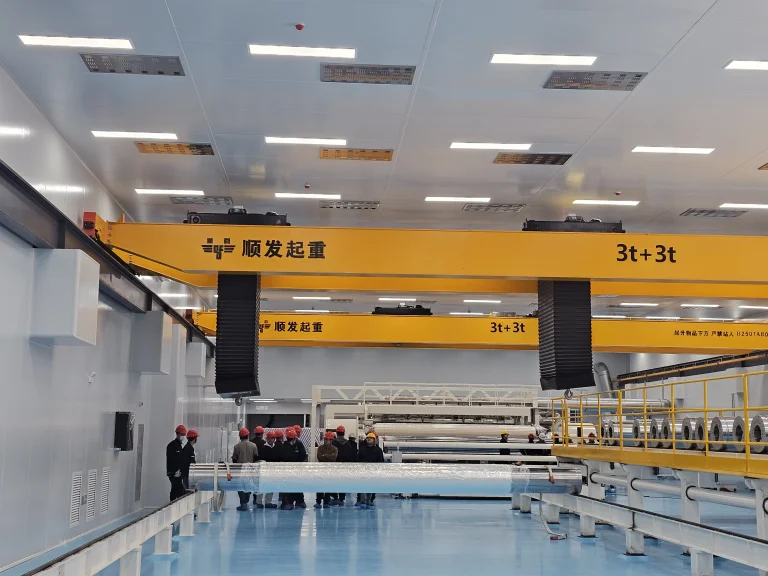
Before buying an overhead crane, it is worth walking through the building and checking the lifting path, column positions, roof clearance, runway condition and the way material really moves during a normal shift. A crane that looks correct in a quotation can still be awkward if the hook cannot reach the job.

1. Measure the Span From the Real Runway Line
The span is not just the inside width of the building. It is the distance between the crane runway centerlines. If the runway beams already exist, measure them directly. If the building is new, confirm the runway location before the steel structure is finalized.
A small mistake here can affect the bridge girder, end carriages, wheel load and installation plan. For an existing workshop, take photos of the columns, runway beam, rail, roof truss and any pipes or cable trays near the crane path.
2. Check Hook Height, Not Only Building Height
The useful height is the height under the hook after the crane and hoist are installed. A tall building can still have poor hook height if the roof structure is low, the runway is placed too high, or the selected hoist takes too much vertical space.
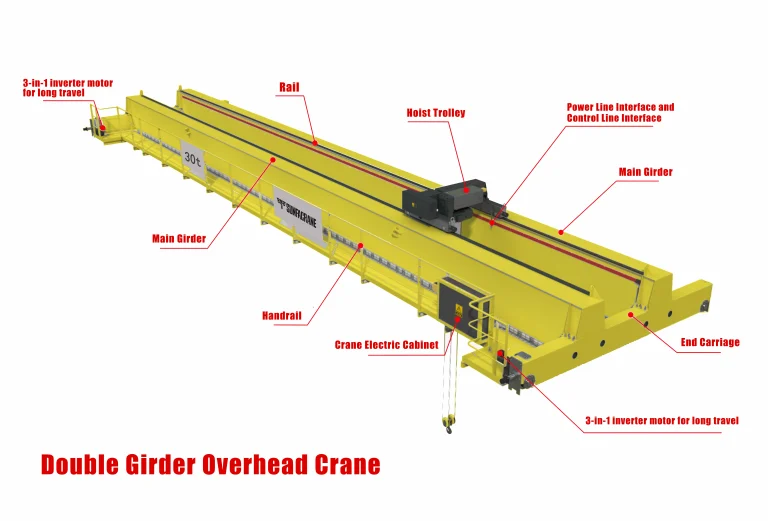
For many light and medium workshops, a single girder overhead crane is practical. If the load is heavier, the span is wider, or more hook height is needed, a double girder overhead crane may fit better. The decision should come after the height check, not before it.
3. Follow the Load Path Across the Floor
Do not only mark the pickup point and the drop-off point. Walk the whole route. Look for machines, columns, mezzanines, storage racks, truck lanes, door openings and areas where people often work. The crane should reduce handling steps, not create a new conflict above the floor.
- Where does the load usually arrive?
- Where is it processed, assembled or stored?
- Does the hook need to cover more than one workstation?
- Can the operator see the load clearly during travel?
- Will the crane path conflict with forklifts, doors or packed material?
4. Look at the Runway and Building Structure Early
For a new crane in an old workshop, the runway is often the most important unknown. The crane capacity, span and duty all create wheel loads. Those loads must be checked against the existing runway beam and building columns.
If the building cannot support the required runway load, the project may need reinforcement, a different crane layout, or even an independent supporting structure. In some outdoor or unsupported areas, a gantry crane may be more realistic than forcing a bridge crane into the building.
When the workshop cannot carry a runway, compare the layout with a gantry crane option before the budget is fixed.
5. Confirm Power Supply and Control Method
The crane also needs a clean power route. Check the available voltage, where the power enters the building, and whether festoon cable, conductor bar or another supply method fits the travel length. The control method should match the work style, not only the price.
- Pendant control is simple and common for many workshop cranes.
- Wireless remote control can help when operators need a better view of the load.
- Cabin control is usually considered for heavier duty, long travel or special process needs.
- Inverter control can make starting, stopping and positioning smoother.
6. Leave Room for Maintenance
A crane is not finished after installation. Hoists, brakes, wheels, motors, limit switches and electrical parts need inspection. If the crane is squeezed into a building without service access, every small maintenance task becomes harder.
In a busy manufacturing workshop, downtime is often more expensive than the part being replaced. That is why maintenance access should be discussed during layout, not after the crane is already hanging above production.
7. Think About the Next Three Years
A crane should match the job today, but it should not ignore near-term production changes. If a heavier product is already planned, or the workshop may add another machine line, tell the crane supplier early. That information may change the capacity, span, speed, hook approach or control choice.
The best crane layout is not the biggest crane on the quotation. It is the crane that reaches the real work safely, leaves enough room to operate, and does not fight the building.
What to Send Before Asking for a Final Quote
- Workshop width, runway length and clear building height.
- Maximum load weight, load size and lifting fixture weight.
- Photos of columns, roof, runway beams, floor route and working area.
- How many times the crane will lift in a normal shift.
- Preferred control method and available power supply.
- Any similar project reference from the project gallery.
If these details are not ready, the first quote will usually be a rough estimate. For a useful recommendation, send the site information through the contact page and ask for a layout-based crane suggestion. That is the fastest way to avoid buying a crane that is strong enough on paper but inconvenient in daily work.