How Often Should an Overhead Crane Be Inspected? Daily, Monthly, and Annual Checks Explained
One of the most common questions maintenance teams ask about an overhead crane is simple: how often should it be inspected?
The short answer is that an overhead crane should be checked before regular use, inspected more closely at set intervals, and reviewed again after abnormal events such as overloads, repairs, long idle periods, or changes in the working environment. The exact interval depends on crane duty, site rules, local regulations, and the manufacturer’s instructions.
That sounds straightforward, but in real workshops it is where many problems start. A crane may look normal from the floor, while the hoist brake, wire rope, hook latch, end carriage wheels, runway rail, or pendant control is already showing early warning signs. The goal of inspection is not just to pass a form. It is to catch small problems before they become downtime, unsafe lifts, or expensive structural damage.

Quick Answer: Daily, Frequent, and Periodic Inspections
Most inspection programs split overhead crane checks into three practical levels.
- Pre-use or daily checks: a quick visual and functional check before the crane is used.
- Frequent inspections: closer checks performed daily, weekly, or monthly depending on service severity.
- Periodic inspections: more detailed inspections, often scheduled monthly, quarterly, semi-annually, or annually depending on the crane and site conditions.
For a light-duty crane used occasionally in a clean workshop, the schedule may be different from a crane running every shift in steel processing, fabrication, die handling, power generation, or material handling. The more severe the duty, the shorter the inspection interval should be.
What Should Operators Check Before Use?
A pre-use check is not a full engineering inspection. It is a practical operator check to decide whether the crane is fit to use today. A good operator does not need to dismantle anything, but should be alert to changes from normal operation.
Typical pre-use checks include:
- Is the hook free from obvious deformation, cracks, excessive wear, or a damaged latch?
- Does the wire rope or load chain show broken wires, kinks, twisting, corrosion, flattening, or abnormal wear?
- Do the hoist, trolley, and bridge travel smoothly without unusual noise or vibration?
- Do the pendant, radio control, emergency stop, and direction buttons work correctly?
- Does the hoist brake hold the load without drifting?
- Are limit switches, warning devices, and travel stops working as expected?
- Is the runway area clear of obstructions, loose materials, or people working in unsafe positions?
If something feels wrong, the right response is not to “finish this one lift first.” Stop, report it, and tag the crane out if the issue affects safe operation.
Frequent Inspection: The Items That Often Cause Downtime
Frequent inspections focus on the components that move, wear, or change condition quickly. These are also the parts that often cause real downtime in a plant.
Pay close attention to:
- Wire rope or load chain: wear, corrosion, broken wires, birdcaging, stretch, poor spooling, or lack of lubrication.
- Hooks and latches: throat opening, twist, cracks, latch function, saddle wear, and signs of heat or grinding.
- Brakes: slipping, delayed stopping, uneven holding, overheating, or abnormal noise.
- Controls: sticky pendant buttons, poor radio response, damaged cable, loose plugs, or intermittent control faults.
- Limit switches: incorrect stopping position, bypassed switches, damaged actuators, or unreliable response.
- Wheels and rails: flange wear, rail misalignment, skewing, abnormal wheel noise, or metal dust near the runway.
These checks are especially important when a crane is used in dusty, humid, hot, corrosive, or high-cycle environments.

Periodic Inspection: More Than a Quick Look
A periodic inspection is more detailed. It should look at the overhead crane as a complete lifting system, not just the hoist. The bridge structure, end trucks, runway beams, electrical system, safety devices, and records all matter.
Periodic inspection items often include:
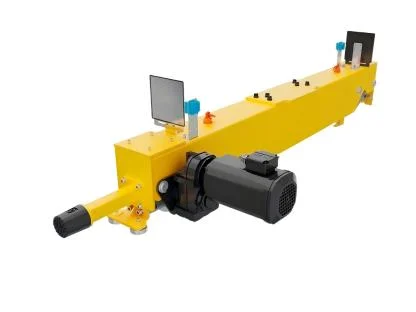
- Main girder, end carriage, welds, bolts, and structural connections.
- Runway rail alignment, wear, rail clips, stops, and support steelwork.
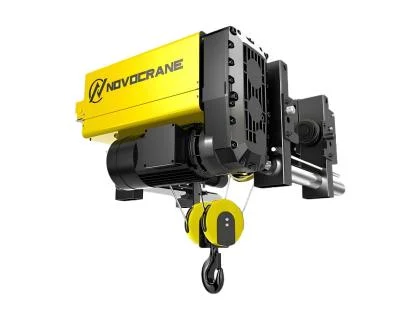
- Hoist gearbox, motor, brake, drum, sheaves, rope guide, and load block.
- Electrical panels, contactors, VFDs, festoon cable, busbar, grounding, and cable protection.
- Safety devices such as overload limiter, upper/lower limit switch, emergency stop, warning alarm, and anti-collision devices if installed.
- Inspection records, repair history, load test documents, and operator reports.
If the crane has been modified, relocated, overloaded, repaired after a major fault, or left idle for a long time, it should be inspected before returning to normal service.
How Often Is “Often Enough”?
There is no single interval that fits every overhead crane. A practical schedule should consider:
- Rated capacity and actual load range.
- How many lifts are made per day or per shift.
- Whether the crane handles critical, hot, sharp, molten, magnetic, or expensive loads.
- Environmental conditions such as dust, moisture, heat, chemicals, or outdoor exposure.
- Operator skill level and how consistently defects are reported.
- Manufacturer recommendations and applicable local standards.
For many plants, the safest approach is to build a simple written schedule: daily operator checks, monthly or quarterly maintenance checks, and a documented periodic inspection by qualified personnel. High-duty cranes may need shorter intervals.
Common Mistakes We See in Crane Inspection Programs
The biggest mistake is treating inspection as paperwork instead of risk control. A checklist is useful only if someone acts on what it shows.
Other common problems include:
- Waiting for the annual inspection while small faults are visible every week.
- Inspecting the hoist but ignoring the runway, end trucks, and bridge travel.
- Replacing a broken part without asking why it failed.
- Letting operators use a crane with intermittent pendant or radio control problems.
- Not keeping photos, service notes, and repair records in one place.
- Assuming a new crane needs no attention during the first year of service.
A crane that is new, recently installed, or lightly used can still have issues with alignment, electrical settings, brake adjustment, or installation details. Early inspection helps catch these before they become normal operating problems.
What Should Be Recorded?
Good inspection records should be simple enough that people actually use them. At minimum, record:
- Date and crane identification number.
- Inspector or operator name.
- Items checked and condition found.
- Photos of defects when possible.
- Immediate action taken, such as repair, tag-out, monitoring, or replacement.
- Follow-up date and responsible person.
Over time, these records show patterns. If a wheel, brake, rope guide, or contactor keeps failing, the real issue may be alignment, duty cycle, environment, misuse, or an undersized component.
When Should You Stop Using the Crane?
Stop using the crane if an issue affects load control, braking, structural safety, electrical safety, or operator control. Examples include a slipping brake, damaged hook, broken wire rope strands, unreliable limit switch, cracked structure, abnormal runway movement, or pendant/radio control failure.
Do not rely on guesswork for these conditions. The crane should be checked by qualified personnel before returning to service.
Final Thought
An overhead crane inspection program does not need to be complicated, but it does need to be consistent. Daily checks catch obvious problems. Frequent inspections catch developing wear. Periodic inspections look deeper into structure, alignment, controls, and long-term reliability.
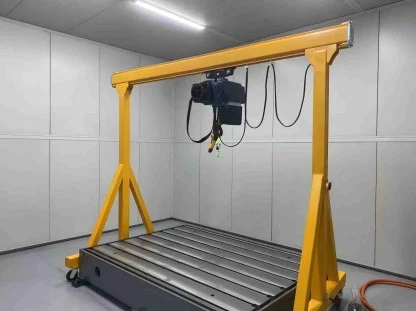
If you are planning a new overhead crane, upgrading an old crane, or reviewing a workshop lifting system, the inspection plan should be considered from the beginning. A crane that is easy to inspect, easy to maintain, and properly matched to the building will usually cost less over its working life.
SUNFACRANE designs and supplies overhead cranes, bridge cranes, gantry cranes, jib cranes, and hoist systems for workshops, warehouses, and industrial plants. If you are evaluating a crane project, useful starting details include span, lifting height, capacity, working duty, workshop photos, and the type of load being handled.