Crane Quotation Requirements Checklist
A clear crane quotation starts with clear site information. When buyers only send the required lifting capacity, engineers still need to confirm the span, lifting height, duty class, building structure, travel distance and working environment before they can recommend a reliable crane system. This checklist helps purchasing teams prepare the details needed for an accurate overhead crane, gantry crane or hoist quotation.

Load information
Start with the real load, not only the ideal load. The rated capacity should cover the heaviest normal lift, while the load shape helps engineers choose the correct hook, spreader, sling or lifting attachment. If the load is long, unbalanced, hot, magnetic, fragile or difficult to position, mention it in the first inquiry.
- Maximum load weight and normal working load
- Load size, shape and center of gravity
- Required lifting attachment or below-the-hook device
- Whether the crane lifts one product type or many different loads
- Any special temperature, dust, humidity, corrosion or explosion-proof requirement
Building and runway information
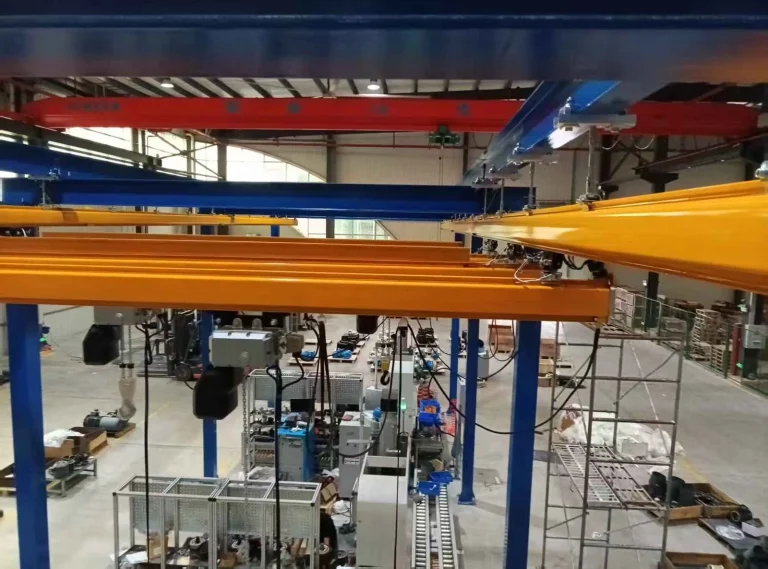
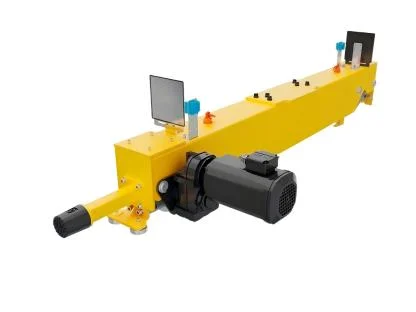
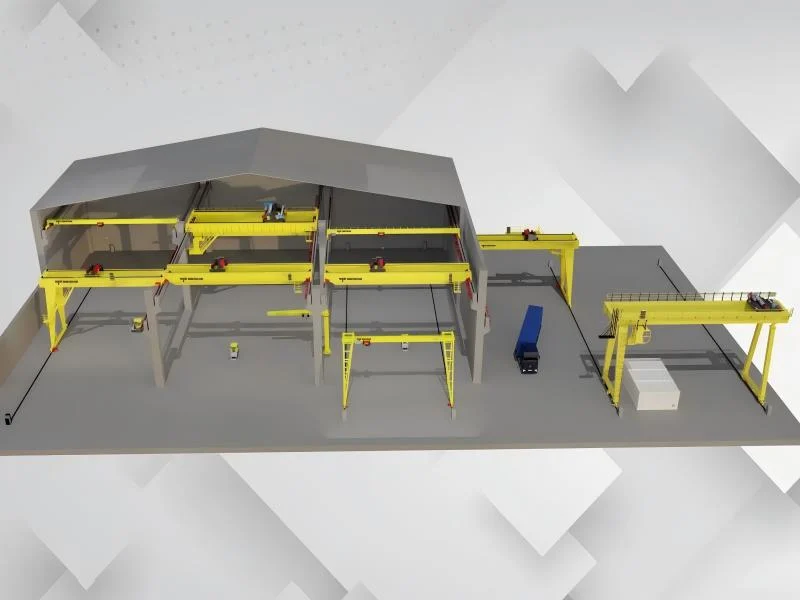
For an overhead crane, the workshop structure matters as much as the crane itself. Span, hook height and runway condition affect the bridge, end carriage, hoist selection and wheel load. For outdoor projects or workshops without runway beams, a gantry crane may be more suitable.
Working class and control preference
A crane used a few times per day does not need the same duty class as a crane used continuously on a production line. Tell the supplier how many lifts happen per hour, how many hours the crane works each day and whether the operation is light, medium or heavy-duty. Control method also affects safety and efficiency. Common options include pendant control, wireless remote control and cabin operation.
- Lifts per hour and working hours per day
- Indoor or outdoor use
- Pendant, remote control or cabin control preference
- Single-speed, double-speed or variable frequency control
- Required safety devices, warning lights, alarms or anti-collision system
Photos and drawings that help engineers
Photos can prevent quotation mistakes. A workshop photo, column spacing drawing, existing runway photo or foundation drawing can show restrictions that are easy to miss in text. If the project is at an early stage, a simple hand sketch with span, height and travel distance is still useful. You can review similar layouts in the project gallery before sending your own site information.
A simple quotation checklist
- Crane type you are considering, such as overhead crane, gantry crane, jib crane or electric hoist
- Rated capacity, span, lifting height and travel length
- Power supply voltage and frequency
- Operating environment and duty class
- Workshop drawings, photos or available installation space
- Target delivery time, destination country and any required standards
Send the inquiry in one clear message
A complete inquiry allows the supplier to reply faster and reduces repeated clarification. If you are not sure which crane type fits the project, send the checklist details through the SUNFACRANE contact page. The engineering team can compare the requirements with the industry applications and recommend a practical lifting solution for the site.