Underhung Overhead Crane Systems for Light Manufacturing Bays

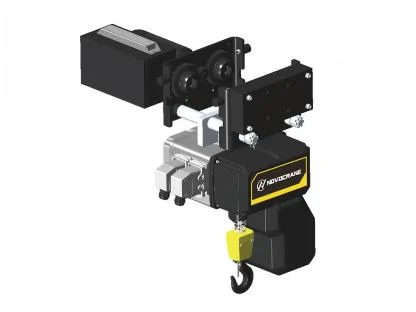
Underhung crane visual reference
The photos below are included to make the article easier to evaluate visually. They show equipment structure, workshop context and practical details that are often difficult to understand from text alone.

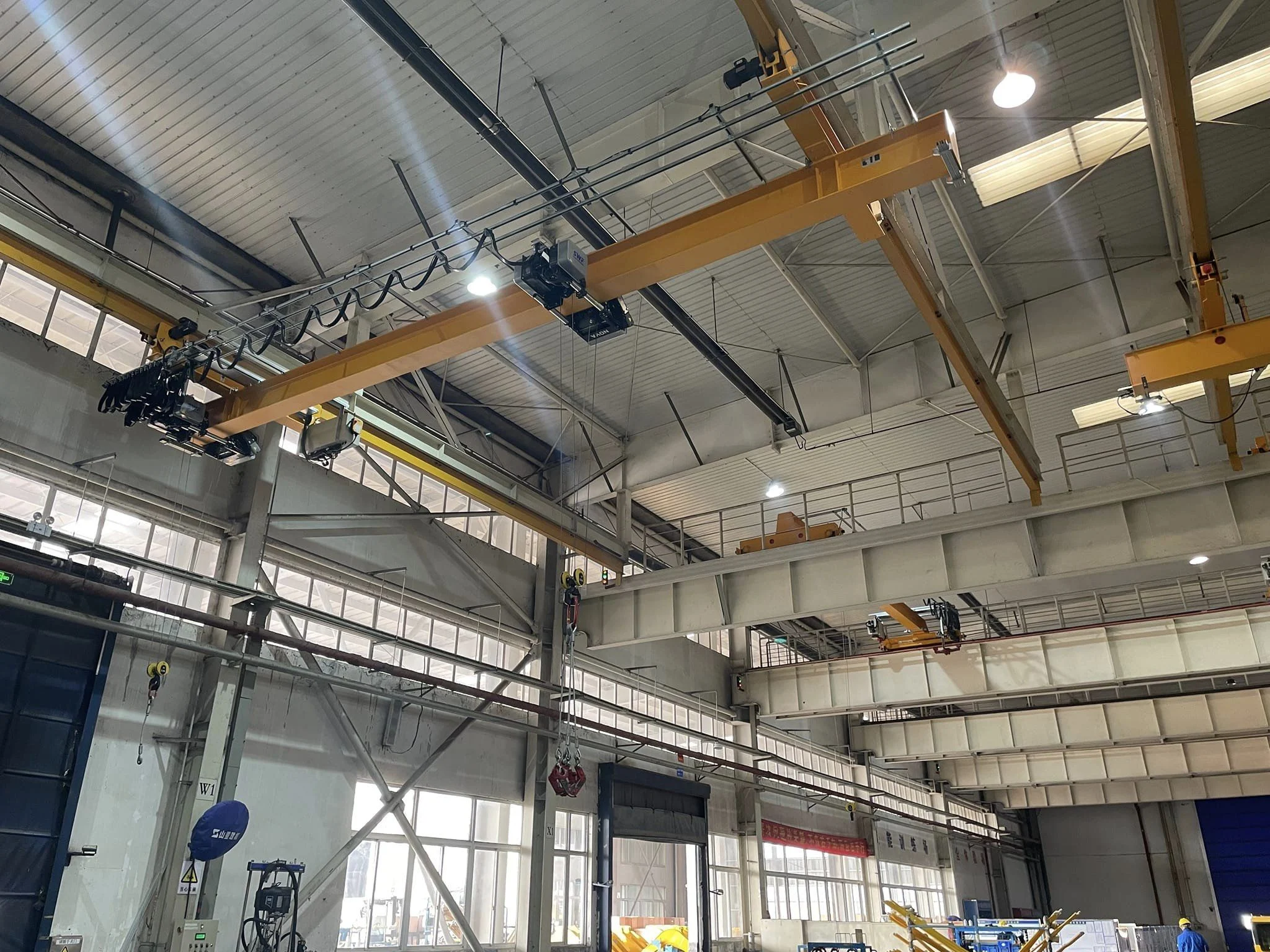

Workshop video reference
What these visuals help confirm
Roof structure review
Shows the real project condition behind the selection point.
Clear floor space
Helps buyers connect the article with workshop planning.
Light manufacturing fit
Makes the quote discussion more practical and specific.
Coverage map
Supports trust with visible equipment and process context.
An underhung overhead crane can be a useful answer in a light manufacturing bay where floor columns are difficult to add. Instead of sitting on runway beams, the crane runs below a supporting structure.
That arrangement can keep the floor clear, but it only works when the roof or support steel is ready for the load. The design should be treated as a building-and-crane system, not a crane alone.
Check the building structure first
The support points above the crane must be reviewed before any serious quotation. Roof trusses, beams and connection details decide whether an underhung system is practical.
If the structure was not designed for crane loads, reinforcement may be needed. Guessing here creates risk.
Understand the capacity range
Underhung cranes are often used for lighter loads, assembly work and maintenance handling. They are not the answer for every heavy lifting job.
Capacity, span and suspension spacing should be discussed together so the crane does not overload the support structure.
Look at how close the hook must reach
One advantage of an underhung crane is that it may offer good side approach in a narrow bay. That can be helpful around benches, assembly fixtures or production cells.
Measure where the load starts and ends. Good hook coverage is often more valuable than extra travel speed.
Plan electrical supply neatly
Cable festoon, conductor systems and control lines should not interfere with lights, sprinklers or existing equipment. A clean power route helps the crane run reliably.
In a light manufacturing shop, small obstructions can become daily annoyances.
Keep operation close to the work
Pendant or radio control should match how operators move with the product. The best control method keeps the operator clear of the load while still close enough to see the work.
For assembly tasks, smooth starting and stopping can matter more than high speed.
An underhung overhead crane is worth considering when floor space is tight and the building structure can support the system safely.
The practical answer comes from checking structure, hook coverage and daily use together. If those three line up, the crane can make a small bay work much better.
Additional buyer notes before requesting a quote
A practical underhung overhead crane decision should start from the real work area, not from a model name alone. The load path, available headroom, nearby equipment, operator position and maintenance access all shape whether the crane will feel efficient after installation.
Before publishing this guide, the content was expanded to make the article more useful for buyers who are comparing options and preparing project information. The points below are the details that often decide whether a quotation is accurate or only a rough guess.
Design details to review
- The overhead support structure must be reviewed before quotation.
- Capacity and load spectrum should stay within realistic underhung limits.
- Hook coverage should be mapped around workstations and obstructions.
Information to prepare
If you want a supplier to respond with a useful proposal, prepare the following details before asking for price. Even simple photos and marked-up drawings can reduce back-and-forth.
- load capacity and maximum part size
- support beam information and bay drawing
- coverage area and hook approach requirement
- photos of roof structure and workstations
Common mistakes to avoid
- treating the roof as free support
- using underhung design where heavy top-running cranes are needed
- choosing the crane before mapping workstation coverage
Related SUNFACRANE pages
For a broader comparison, also review suspension crane, light crane systems, KBK flexible rail crane. These internal references help connect the article with the correct product pages instead of leaving it as a thin standalone post.
FAQ
Is this crane type suitable for every workshop?
No. The right choice depends on load weight, span, lifting height, duty cycle, building structure and how the material moves through the site.
What should be checked before a final quotation?
Capacity, load size, hook height, runway or support condition, operating frequency, control method and safety requirements should all be confirmed before price is finalized.
Can SUNFACRANE customize the design?
Yes. When the standard arrangement does not fit the building or process, SUNFACRANE can review the project conditions and suggest a customized crane solution.
Final note
A crane article should help buyers make a clearer decision. For that reason, this post focuses on practical site checks, project information and selection risks rather than repeating generic product claims.
A practical project review path
When reviewing underhung overhead crane, it helps to slow the decision down into a few visible steps. In a light manufacturing bay using roof steel or support beams, the first proposal is often based on capacity and span, but the final design should also reflect the workflow, the building and the people who operate the equipment.
- Confirm the job: define the normal load, the heaviest load, the load size and the lifting accessories used with it.
- Map the movement: mark the pickup points, drop-off points, travel route, blind spots and any place where the load must slow down.
- Check the structure: review runway beams, floor condition, roof steel, rail foundation or supporting columns before the crane layout is frozen.
- Review operation: decide whether pendant, cabin, radio remote control or a mixed method gives the operator the safest view.
- Plan service access: make sure brakes, hoists, drives, wheels, ropes, electrical panels and safety devices can be inspected without awkward shutdowns.
How to compare supplier proposals
For underhung overhead crane, comparing only the headline price can hide important differences. One offer may include better duty class, safer controls, stronger drives or more complete installation support, while another may be cheaper because it leaves those items unclear.
A practical comparison should look at capacity, duty class, motor and brake selection, hook approach, wheel load, control method, safety devices, documentation, spare parts and after-sales support. Support capacity above the crane is the first serious question, so these details should be visible in the proposal instead of discussed only after the order is placed.
Questions to ask internally
- Which loads are lifted every day, and which loads happen only occasionally?
- Where does the operator stand during the most difficult lift?
- What equipment, racks, doors, pits or walkways could interfere with the crane path?
- Who will inspect and maintain the crane after installation?
- What future production change could make the current crane choice too small or too limited?
When custom engineering is worth discussing
Standard crane models work well when the building, load and route are straightforward. Custom engineering becomes more useful when the workshop has limited headroom, unusual load shapes, high duty cycles, special safety requirements, outdoor exposure or a process that cannot be served by a simple catalogue crane.
Sharing drawings, photos, videos and a short description of the lifting routine helps SUNFACRANE judge whether a standard solution is enough or whether a customized crane design would be more reliable in the long run.