Electric Chain Hoist for Assembly Lines
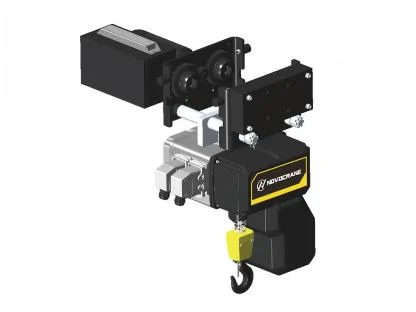
Assembly lifting visual reference
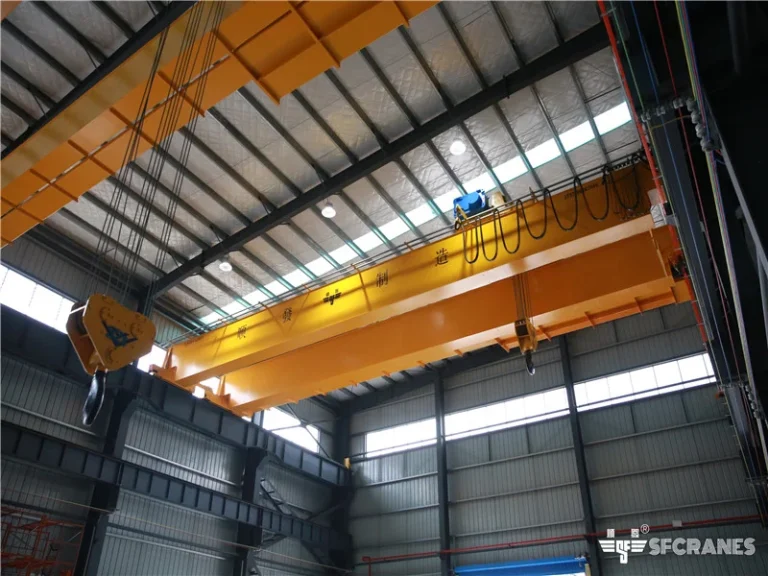
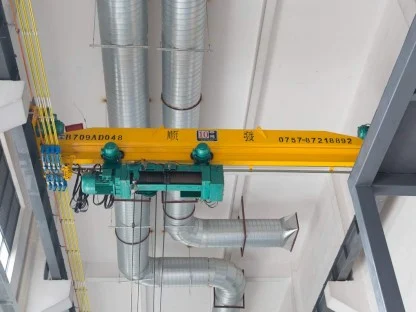
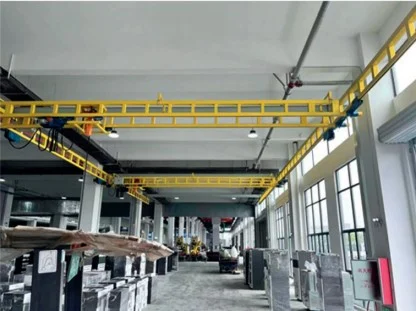
The photos below are included to make the article easier to evaluate visually. They show equipment structure, workshop context and practical details that are often difficult to understand from text alone.
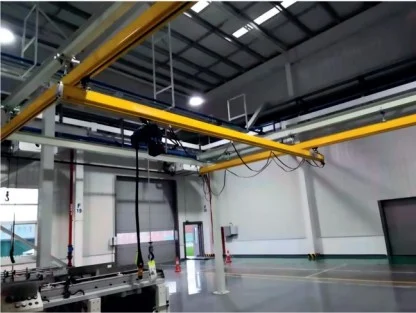
Workshop video reference
What these visuals help confirm
Station layout
Shows the real project condition behind the selection point.
Lifting speed
Helps buyers connect the article with workshop planning.
Chain hoist fit
Makes the quote discussion more practical and specific.
Operator comfort
Supports trust with visible equipment and process context.
Assembly lines do not always need a large crane. Many stations need a compact lifting tool that can raise parts, hold them steady and help operators position them without slowing the line.
An electric chain hoist can be a good fit for that kind of work. It is usually compact, straightforward to operate and suitable for repeated light to medium lifts when selected correctly.
Look at the station, not only the load
The weight of the part is important, but the working position matters just as much. Operators may need to lift from a cart, rotate a part, place it into a fixture or hold it while bolts are started.
Those details affect lifting height, control type and how the hoist should be mounted.
Choose speed around positioning
Assembly work often needs careful final placement. A hoist that moves too quickly can make operators nervous and increase the chance of damaged parts.
Two-speed or variable-speed control can help when the line needs both normal movement and gentle positioning.
Check the duty cycle
A chain hoist used once an hour is different from one used every few minutes. Starts per hour, load weight and shift pattern should be reviewed before choosing a model.
Repeated light lifting can still be demanding if the hoist is working all day.
Plan the suspension method
The hoist may hang from a fixed point, a jib crane, a workstation crane or a small overhead runway. The supporting structure must be designed for the load and the way the operator will move it.
Do not treat the support as a small detail. It is part of the lifting system.
Keep controls comfortable
Pendant length, button feel, emergency stop location and cable routing all affect daily use. Operators should not have to stretch, twist or stand under the load to control the hoist.
Small ergonomic problems become large complaints when the lift repeats many times a day.
Make inspection easy
Chain condition, hooks, limit switches, brakes and electrical cables should be easy to check. A simple inspection routine is especially useful on lines where many people share the same equipment.
Clear rules about who can operate and report issues help keep the system reliable.
An electric chain hoist for assembly lines should make repeated handling smoother and more controlled. The best choice is shaped by the station layout, operator movement and line rhythm.
When those details are handled early, the hoist becomes part of the work instead of another thing operators have to work around.
Additional buyer notes before requesting a quote
A practical electric chain hoist for assembly lines decision should start from the real work area, not from a model name alone. The material, lifting route, available headroom, nearby equipment, operator position and maintenance access all affect whether the crane will work smoothly after installation.
A useful selection note should stay close to the site: load movement, building limits, operator position, maintenance access and the working rhythm of the shift. Those details often decide the practical crane layout before the model name does.
Design details to review
- look at working position, not only part weight
- match lifting speed to assembly accuracy and operator rhythm
- check suspension method, trolley type and cable routing
Operation and maintenance notes
Daily operation should be discussed before the crane is ordered. A crane that looks correct on paper can still cause delays if operators cannot see the landing area, if inspection points are hard to reach, or if the duty cycle is higher than the equipment was selected for.
Maintenance access is also part of good design. Hoists, brakes, travel drives, electrical panels, limit switches and safety devices should be reachable without creating unnecessary downtime or unsafe work positions.
Information to prepare
If you want a supplier to respond with a useful proposal, prepare the following details before asking for price. Even simple photos and marked-up drawings can reduce back-and-forth.
- load weight and part dimensions
- lifting height and travel distance
- rail type, suspension point or workstation layout
- required lifting speed and control method
Common mistakes to avoid
- choosing only by rated capacity
- using a hoist too fast for careful assembly
- forgetting cable routing and maintenance access
Related SUNFACRANE pages
For a broader comparison, also review light crane systems, KBK flexible rail crane, products overview. These internal references connect the article with the correct product and application pages instead of leaving it as a standalone post.
FAQ
Is this crane type suitable for every workshop?
No. The right choice depends on load weight, span, lifting height, duty cycle, building structure, environment and how the material moves through the site.
What should be checked before a final quotation?
Capacity, load size, hook height, runway or support condition, operating frequency, control method and safety requirements should all be confirmed before price is finalized.
Can this system be customized?
Yes. When the standard arrangement does not fit the building or process, SUNFACRANE can review the project conditions and suggest a customized crane solution.
Why send photos or drawings?
Photos and drawings help confirm obstacles, access, runway conditions and available space. That makes the quotation more realistic and reduces changes later.
Final note
A useful crane article should help buyers make a clearer decision. For that reason, this post focuses on practical site checks, project information and selection risks rather than repeating generic product claims.
A practical project review path
When reviewing electric chain hoist, it helps to slow the decision down into a few visible steps. In an assembly line lifting parts repeatedly at one or more stations, the first proposal is often based on capacity and span, but the final design should also reflect the workflow, the building and the people who operate the equipment.
- Confirm the job: define the normal load, the heaviest load, the load size and the lifting accessories used with it.
- Map the movement: mark the pickup points, drop-off points, travel route, blind spots and any place where the load must slow down.
- Check the structure: review runway beams, floor condition, roof steel, rail foundation or supporting columns before the crane layout is frozen.
- Review operation: decide whether pendant, cabin, radio remote control or a mixed method gives the operator the safest view.
- Plan service access: make sure brakes, hoists, drives, wheels, ropes, electrical panels and safety devices can be inspected without awkward shutdowns.
How to compare supplier proposals
For electric chain hoist, comparing only the headline price can hide important differences. One offer may include better duty class, safer controls, stronger drives or more complete installation support, while another may be cheaper because it leaves those items unclear.
A practical comparison should look at capacity, duty class, motor and brake selection, hook approach, wheel load, control method, safety devices, documentation, spare parts and after-sales support. Speed, suspension and control position affect operator comfort, so these details should be visible in the proposal instead of discussed only after the order is placed.
Questions to ask internally
- Which loads are lifted every day, and which loads happen only occasionally?
- Where does the operator stand during the most difficult lift?
- What equipment, racks, doors, pits or walkways could interfere with the crane path?
- Who will inspect and maintain the crane after installation?
- What future production change could make the current crane choice too small or too limited?
When custom engineering is worth discussing
Standard crane models work well when the building, load and route are straightforward. Custom engineering becomes more useful when the workshop has limited headroom, unusual load shapes, high duty cycles, special safety requirements, outdoor exposure or a process that cannot be served by a simple catalogue crane.
Sharing drawings, photos, videos and a short description of the lifting routine helps SUNFACRANE judge whether a standard solution is enough or whether a customized crane design would be more reliable in the long run.