
Is an IP65 Electric Hoist Enough for Outdoor Use?
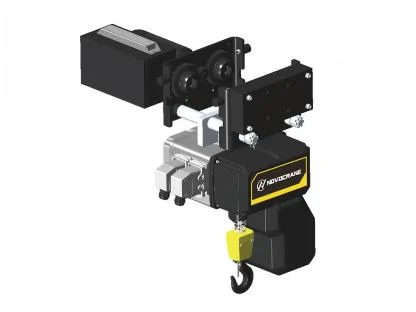
An IP65 electric hoist can be suitable for some outdoor or semi-outdoor lifting jobs, but IP65 alone is not enough to approve the hoist for every outdoor application. IP65 mainly describes dust protection and protection against water jets. It does not confirm duty class, brake design, corrosion protection, control safety, load holding, wind exposure, or whether the hoist is acceptable for lifting above people.
For factory, warehouse, yard, maintenance, or workstation lifting, IP rating is only one part of the selection. For stage, entertainment, or live event lifting, the decision is more serious. A general industrial hoist with an IP65 enclosure should not be treated as an entertainment-rated motor unless the full hoist, control system, rigging method, and local rules support that use.
What IP65 actually tells you
IP ratings describe how well an enclosure resists solid particles and water. In common use, IP65 means the enclosure is dust-tight and protected against water jets. That is useful information, but it is narrow information.
IP65 does not tell you:
- Whether the hoist is rated for continuous rain exposure
- Whether the brake is suitable for the lifting duty
- Whether the trolley, hook, chain, rope, or fasteners have corrosion protection
- Whether the electrical cabinet, pendant, plug, radio receiver, and cable glands match the same protection level
- Whether the hoist can hold a suspended load for long periods
- Whether the hoist is suitable above people
- Whether the motor duty class fits the number of starts per hour
- Whether the unit is accepted by the site engineer, inspector, insurer, or local authority
This is why two hoists can both be called IP65 but perform very differently in real work. One may be acceptable for a covered outdoor maintenance bay. Another may fail quickly in a coastal yard, washdown area, dusty plant, or live event environment.
Outdoor factory use is different from stage lifting
The most important question is not only “Is it IP65?” The better question is “What job will the hoist do, and what happens if it fails?”
For industrial outdoor use, the load is usually material, parts, tools, molds, pumps, steel, or maintenance equipment. The buyer should check weather exposure, lifting frequency, duty class, corrosion level, power supply, control method, inspection access, and spare parts.
For stage and entertainment use, the load may be lighting truss, speakers, scenic elements, screens, or other suspended production equipment. These loads may be above people, held for long periods, synchronized with other hoists, and inspected under event safety rules. In that situation, the hoist should be reviewed as part of the full rigging system, not as a standalone IP65 product.
If the application involves suspended loads over people, use entertainment-rated equipment or get a qualified rigger, engineer, or authority having jurisdiction to approve the full setup. Do not let the IP rating become the shortcut.
Electric chain hoist or wire rope hoist?
Both electric chain hoists and electric wire rope hoists can be used in lifting systems, but they fit different ranges of work.
Electric chain hoists are compact and common on workstation cranes, jib cranes, monorails, KBK systems, and small gantry cranes. They are practical for light and medium-duty handling where the operator needs a simple lifting point near the work area. On SUNFACRANE projects, the selection usually depends on capacity, lifting height, trolley type, control position, and working frequency.
Electric wire rope hoists are more common on overhead cranes, gantry cranes, and higher-capacity applications where longer lifting height, smoother lifting, or larger duty requirements may be needed. They normally require closer attention to rope drum condition, reeving, rope inspection, sheave condition, and maintenance access.
For outdoor use, the chain-or-rope decision should not be made only by price. Check these points first:
- Rated capacity and normal working load
- Lifting height and hook approach
- Starts per hour and operating hours per day
- Whether the load will be held suspended for long periods
- Whether the hoist travels along a beam or stays fixed
- Power supply and voltage stability
- Control method: pendant, radio remote, or integrated system
- Rain, dust, humidity, salt air, heat, cold, or washdown exposure
- Inspection and maintenance access

What to check besides IP rating
A practical outdoor hoist review should include the whole lifting package, not only the motor cover.
1. Brake and load holding
The brake arrangement matters more than many buyers expect. Check whether the hoist is designed only for normal lifting cycles or whether it is expected to hold a load in position for extended periods. For stage or overhead suspended loads, this point should be reviewed by a qualified person.
2. Control protection
The pendant, radio receiver, plugs, connectors, cable glands, junction boxes, and control cabinet should match the site exposure. A hoist body with a good IP rating does not help if water enters through the control connection.
3. Corrosion resistance
Outdoor lifting often needs corrosion protection on hooks, chains, wire rope, fasteners, trolley wheels, brakes, enclosures, and structural steel. Coastal, chemical, wastewater, and washdown environments need extra review.
4. Duty class
A hoist used a few times per day does not need the same duty as one used repeatedly during each shift. Confirm starts per hour, average load, daily working time, lifting speed, and travel speed before choosing.
5. Temperature and weather
Rain is not the only issue. Heat, cold, condensation, wind, dust, UV exposure, and storage position all affect the hoist. A covered outdoor runway is easier than an exposed yard crane.
6. Maintenance access
Outdoor hoists still need inspection and maintenance. Make sure technicians can safely reach the brake, motor, rope or chain path, limit switch, trolley, and electrical parts.
When IP65 may be enough
IP65 may be reasonable when the hoist is used in a covered outdoor area, maintenance bay, light yard job, or indoor area with dust and occasional water spray, provided the rest of the hoist package is selected for the duty and environment.
It may not be enough when the hoist is exposed to heavy rain, pressure washing, salt air, corrosive vapor, explosive atmosphere, continuous outdoor storage, synchronized lifting, or suspended loads above people.
Buyer checklist before ordering an outdoor hoist
Before asking for a quotation, prepare these details:
- Load weight and maximum lifting capacity
- Lifting height and required hook approach
- Fixed point, manual trolley, motorized trolley, jib crane, gantry crane, or overhead crane layout
- Indoor, covered outdoor, or fully exposed outdoor use
- Rain, dust, humidity, salt, chemical, heat, or low-temperature exposure
- Working frequency: lifts per hour and hours per day
- Whether the load is ever held above people
- Control preference: pendant, wireless remote, or central control
- Power supply voltage and frequency
- Required inspection or certification rules in the project location
- Photos or drawings of the beam, runway, frame, or installation area
SUNFACRANE supplies overhead cranes, gantry cranes, light crane systems, electric hoists, and customized lifting equipment for industrial sites. For outdoor or semi-outdoor hoist projects, the best quotation starts with the real site condition, not only the IP code.
FAQ
Is IP65 waterproof?
IP65 is commonly understood as dust-tight and protected against water jets. It should not be treated as submersible or automatically suitable for every outdoor condition.
Can I use an IP65 industrial hoist for stage rigging?
Do not decide by IP rating alone. Stage and entertainment lifting may involve loads above people and special safety requirements. Use equipment accepted for that application and have the full system reviewed by qualified people.
Is a chain hoist better than a wire rope hoist outdoors?
It depends on capacity, lifting height, duty, environment, and maintenance plan. Chain hoists are compact for light and medium-duty tasks. Wire rope hoists are common for larger cranes and longer lifting heights.
What IP rating should an outdoor hoist have?
The required protection depends on rain exposure, water jets, dust, corrosion, and the rest of the electrical system. IP65 may be enough for some covered outdoor jobs, but harsher sites need a full environmental review.
What should I send for an outdoor hoist quotation?
Send capacity, lifting height, trolley type, duty, power supply, control method, indoor or outdoor exposure, site photos, and any local inspection requirement.


