What Is a Bridge Crane? Types, Components and Selection Guide
A bridge crane is an overhead lifting system that moves a load in three directions: up and down with the hoist, across the building with the trolley, and along the workshop with the bridge. In most industrial conversations, bridge crane and overhead crane describe the same family of equipment. The name matters less than the site data behind the crane: load, span, lifting height, runway, duty cycle and the actual material route.
For a new factory, warehouse or retrofit project, the useful question is not simply “What tonnage do I need?” It is “How will this crane move the load through this building every day?” That answer determines whether a single girder, double girder, top-running or underhung arrangement makes sense.
Bridge crane vs overhead crane: is there a difference?
Usually, no meaningful difference. “Overhead crane” describes the fact that the crane travels above the work area. “Bridge crane” describes the bridge girder that spans the bay. In North American and export projects, both terms are common. Some drawings may also use EOT crane, which means electric overhead travelling crane.
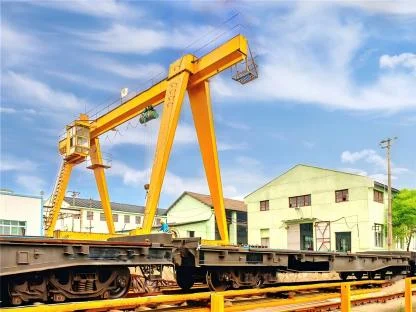
A bridge crane should not be confused with a gantry crane. A bridge crane normally runs on elevated runway rails supported by the building or an independent runway structure. A gantry crane carries its own legs and runs on rails or wheels at ground level. Where the building can support a runway, an overhead bridge crane often keeps the floor clearer for trucks, equipment and production flow. For an outdoor yard or a building without suitable runway support, a gantry crane versus overhead crane comparison can help clarify the choice.
Main bridge crane components
A complete system is more than a girder and hook. The bridge, runway, hoist and controls have to work together. If one part is selected without the others, the crane may be difficult to install, maintain or operate smoothly.
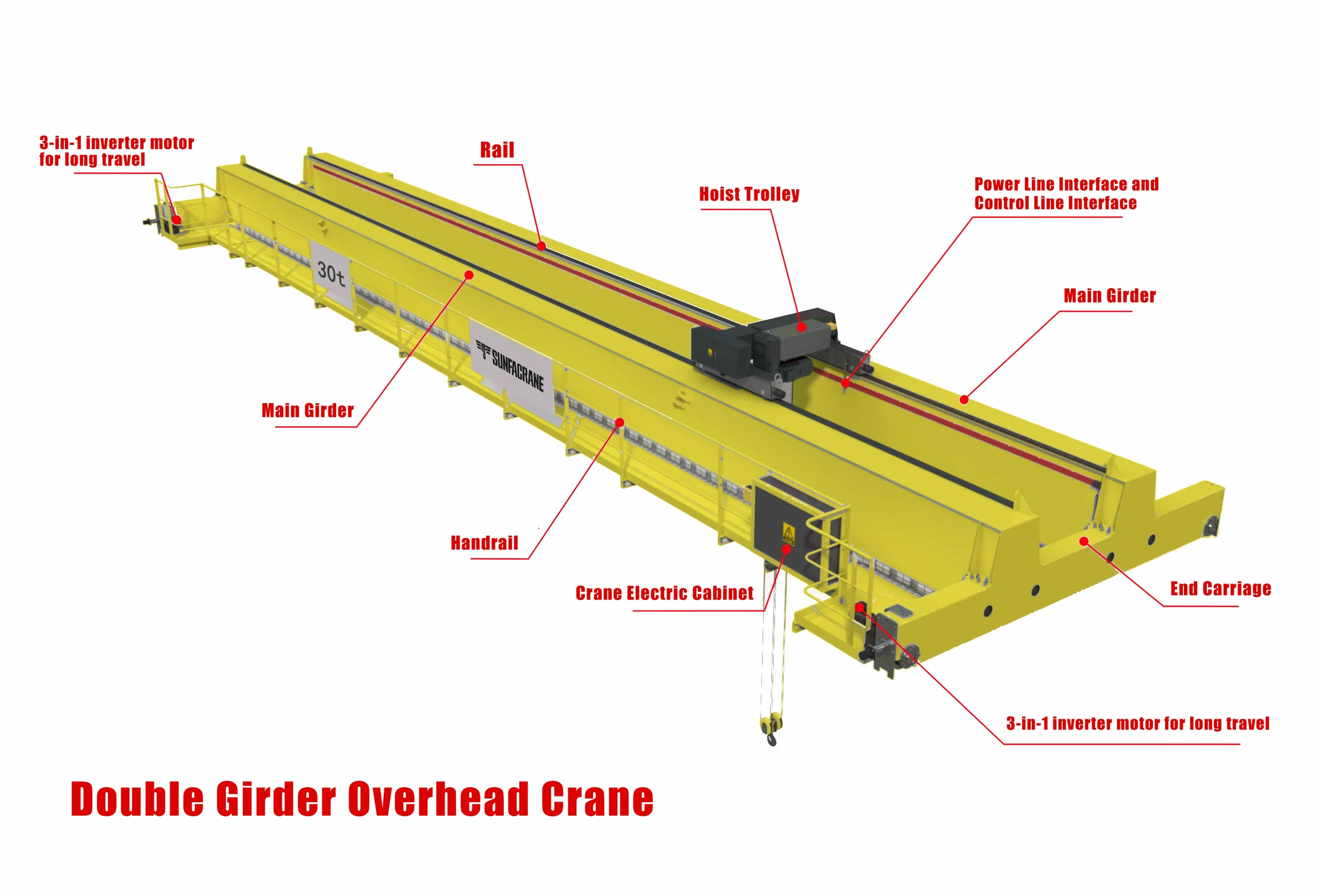
- Bridge girder: the main beam or beams spanning the working bay.
- End carriages: the wheel assemblies that move the bridge along the runway.
- Hoist and trolley: the lifting unit that raises the load and travels across the bridge.
- Runway: the rail, beam and supporting structure that guide the crane through the building.
- Electrical system: power supply, festoon or conductor system, control panel, limit switches and protection devices.
- Controls: pendant, wireless remote control or cabin control, selected around visibility, process speed and safety.
The hook does not cover every point in a bay equally. Hook approach, trolley clearance, rail position, end clearance and nearby machines all affect the usable lifting envelope. These details should be shown on the layout before an order is confirmed.
Common bridge crane types
Single girder bridge crane
A single girder overhead crane uses one main bridge beam. It is commonly selected for light and medium-duty workshops when the required capacity, span and lifting height fit the arrangement. It can be a practical choice for fabrication, machining, storage and general production handling.
Double girder bridge crane
A double girder overhead crane uses two main beams with a trolley travelling between or above them. It is typically considered when capacity, span, duty, lifting height or service access call for a more robust configuration. The final choice is not based on capacity alone; high duty, wide span, hook approach and special lifting tools can all change the preferred design.
Top-running and underhung bridge cranes
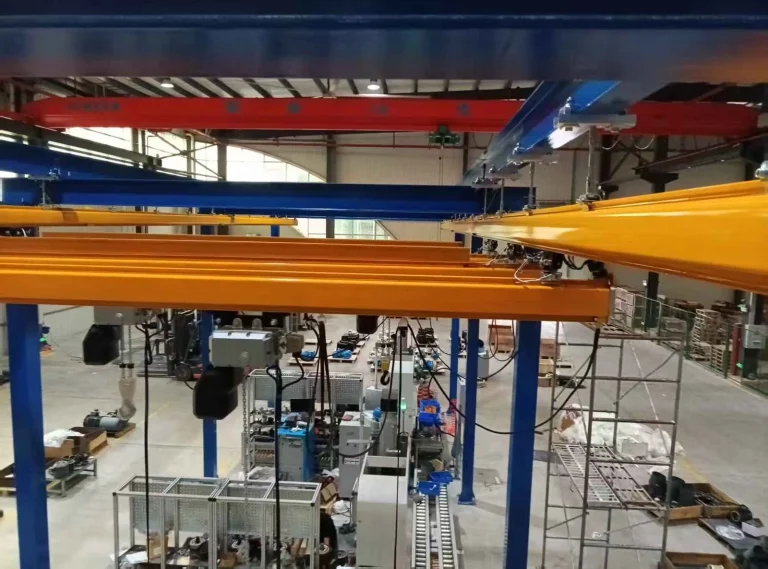
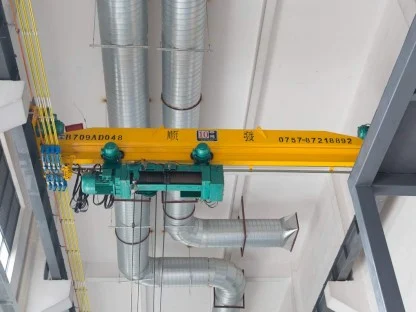
Top-running cranes travel on rails mounted above runway beams. They are often used for higher capacities and longer spans where a substantial runway system is available. Underhung or suspension cranes travel below the support structure and can suit lighter loads, constrained headroom or buildings where the runway is integrated with roof steel. The building and support design should be reviewed before selecting either type.
How a bridge crane moves a load through a workshop
Every bridge crane creates three motion paths. The hoist provides vertical lift. The trolley moves the load across the span. The bridge moves the whole lifting unit along the runway. A good layout lets the hook reach the pickup and drop-off points with enough clearance, reasonable visibility and no unnecessary detours.
Before requesting a proposal, mark the normal material route on a simple workshop plan. Include doors, production lines, racks, pits, furnaces, work cells, truck lanes and areas where people work. This often reveals a better crane runway position, a different control method or a need for two hoists before manufacturing begins.
How to select a bridge crane
Capacity is essential, but it is only the first filter. A suitable bridge crane is selected from the combined conditions below.
- Rated load and load shape: include lifting beams, magnets, clamps, spreaders and any fixture carried below the hook.
- Span: confirm the runway center distance rather than estimating from the clear building width.
- Lifting height: measure from finished floor level to the required hook position and check roof, lighting and ductwork clearances.
- Runway and building structure: review rail alignment, column locations, beam capacity and any need for an independent runway.
- Duty cycle: lifting frequency, load spectrum, travel distance and production rhythm all affect hoist, motor and brake selection.
- Control and visibility: choose pendant, radio remote, cabin or a combined arrangement around the operator’s line of sight.
- Environment: consider heat, dust, corrosion, outdoor exposure, clean-room needs, hazardous areas and power supply.
For most projects, it is faster to share basic drawings and site photos than to exchange several rounds of model numbers. A supplier can then see whether the critical restriction is capacity, headroom, runway support, hook approach or operating duty.
Bridge crane sizing: the data that avoids a weak quotation
Send the following information when asking for a bridge crane quotation. A complete brief makes the technical proposal more useful and reduces changes after the order is placed.
- Maximum load, normal load and the size of the largest item lifted
- Required span, runway length and lifting height
- Workshop drawings, photos and any runway or support-beam information
- Daily lifting frequency, travel distance and expected duty
- Power supply, preferred controls and special safety requirements
- Any future expansion, additional hook, magnet, grab, rotating device or automation plan
The overhead crane quotation checklist gives buyers a simple way to collect this information before contacting an engineer.
Safety, inspection and maintenance
A bridge crane remains reliable when inspection is planned around the equipment and the way it is used. Operators should know the pre-use checks, unusual noises, brake response, limit switch behavior and any condition that requires the crane to be taken out of service. Maintenance staff need safe access to the hoist, rope, sheaves, wheels, drives and electrical equipment.
For sites in the United States, OSHA 1910.179 is one official reference for overhead and gantry crane requirements. Elsewhere, apply the rules, standards and manufacturer instructions that govern the site. For practical planning, review an overhead crane inspection schedule and the wire rope replacement guide before deciding that a component change is routine maintenance.
Common bridge crane buying mistakes
- Choosing only by tonnage and ignoring lifting tools, load size and duty.
- Using clear building width instead of confirmed runway span.
- Leaving runway support and rail alignment until after the crane model is selected.
- Not checking hook approach near walls, machines, doors or process equipment.
- Selecting controls without considering where the operator will stand during difficult lifts.
- Ignoring maintenance access to the hoist, drives and electrical panel.
These issues are easier to resolve at the drawing stage than after equipment arrives on site. A practical bridge crane proposal should make the assumptions visible.
Bridge crane FAQs
Is a bridge crane the same as an overhead crane?
In most factory and warehouse projects, yes. Both terms describe a crane with a bridge spanning the bay and a hoist that travels above the work area.
When should I choose a single girder or double girder bridge crane?
Compare capacity, span, lifting height, duty class, hook approach, maintenance access and the building layout. A single girder crane can be efficient for many light and medium-duty applications, while a double girder configuration is often considered for heavier, wider, higher-duty or more specialized work.
Does a bridge crane need a runway?
Yes. A conventional overhead bridge crane travels on a runway system. The runway may be supported by the building or built as an independent structure, depending on the site and crane load.
Can an existing workshop be fitted with a bridge crane?
Often it can, but the roof steel, columns, foundations, clearances and material route should be reviewed first. Some projects need runway reinforcement or an independent runway structure.
What should I send for a bridge crane quote?
Send the required load, span, lifting height, runway length, working duty, power supply, workshop drawings and site photos. Add any special lifting attachment, control preference or future expansion requirement.
Plan a bridge crane around the real work
A bridge crane earns its value through repeatable, controlled movement in the actual building. Share the load details, layout and lifting route with SUNFACRANE to review a single girder, double girder or customized overhead crane configuration that fits the project conditions.