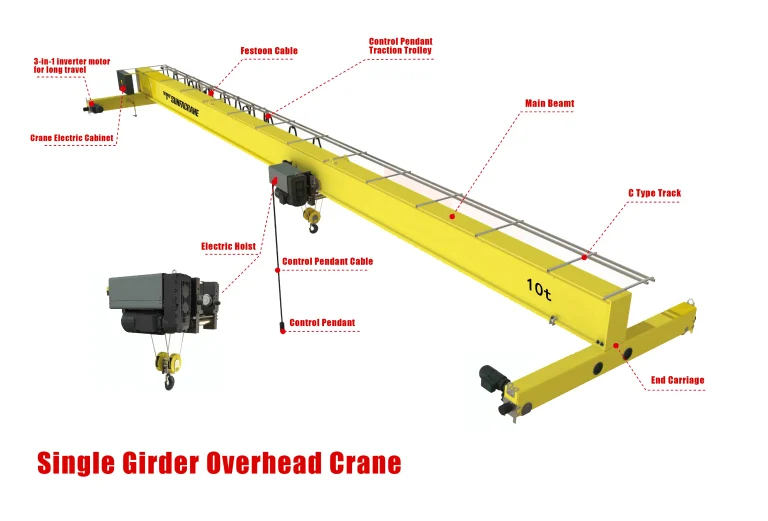
Overhead Crane Project for Mining Equipment Manufacturing
Mining equipment manufacturing is rough on handling equipment. Large frames, rollers and welded assemblies do not move neatly like boxes, so the crane layout has to support real workshop habits rather than a tidy drawing.
Project Background
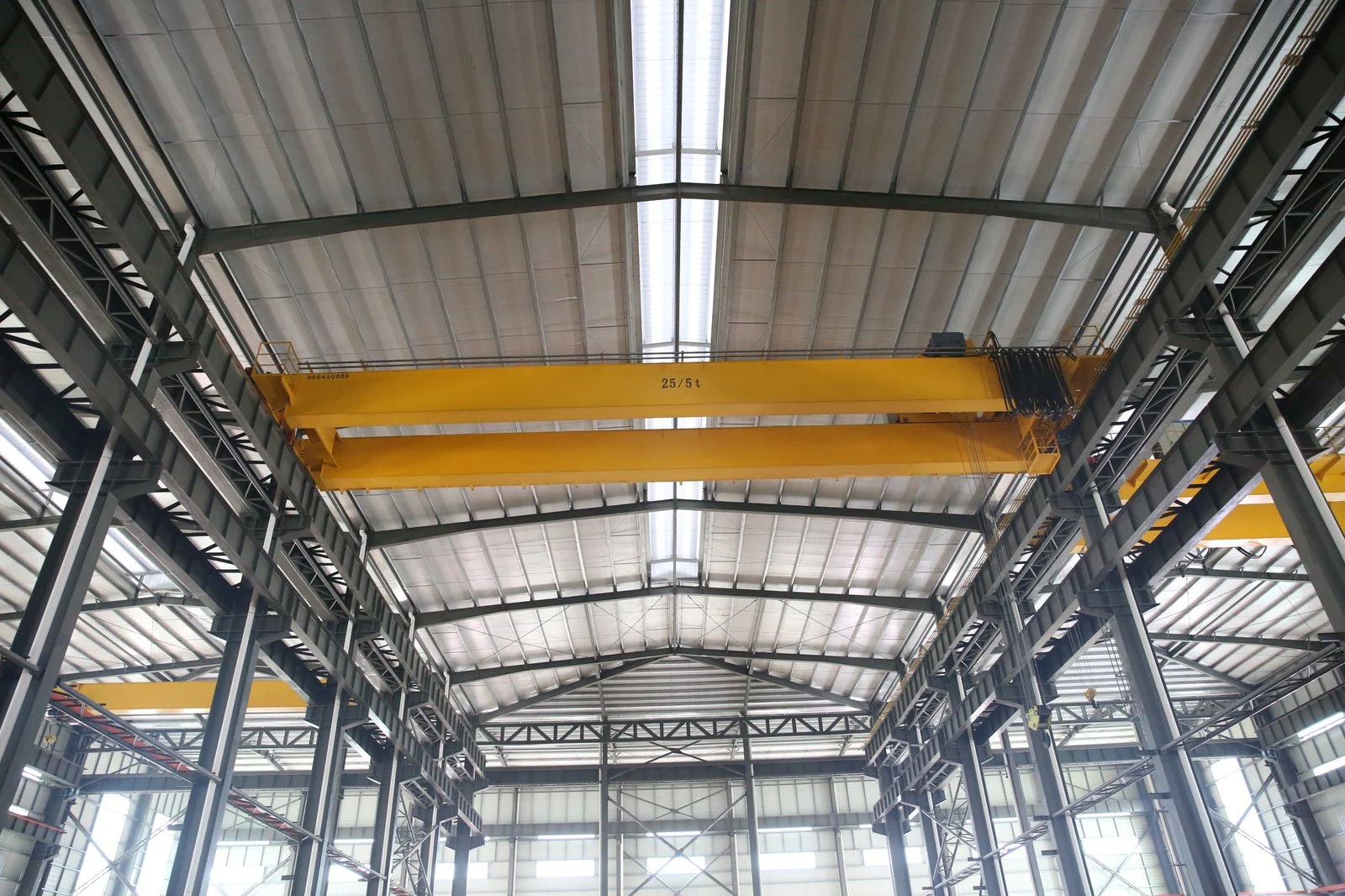
This project used an overhead crane system for the main production bay of a mining equipment workshop. The choice was close to the logic used in many manufacturing industry crane projects: keep the floor open, reduce forklift crossing and make heavy parts easier to position at each work station.
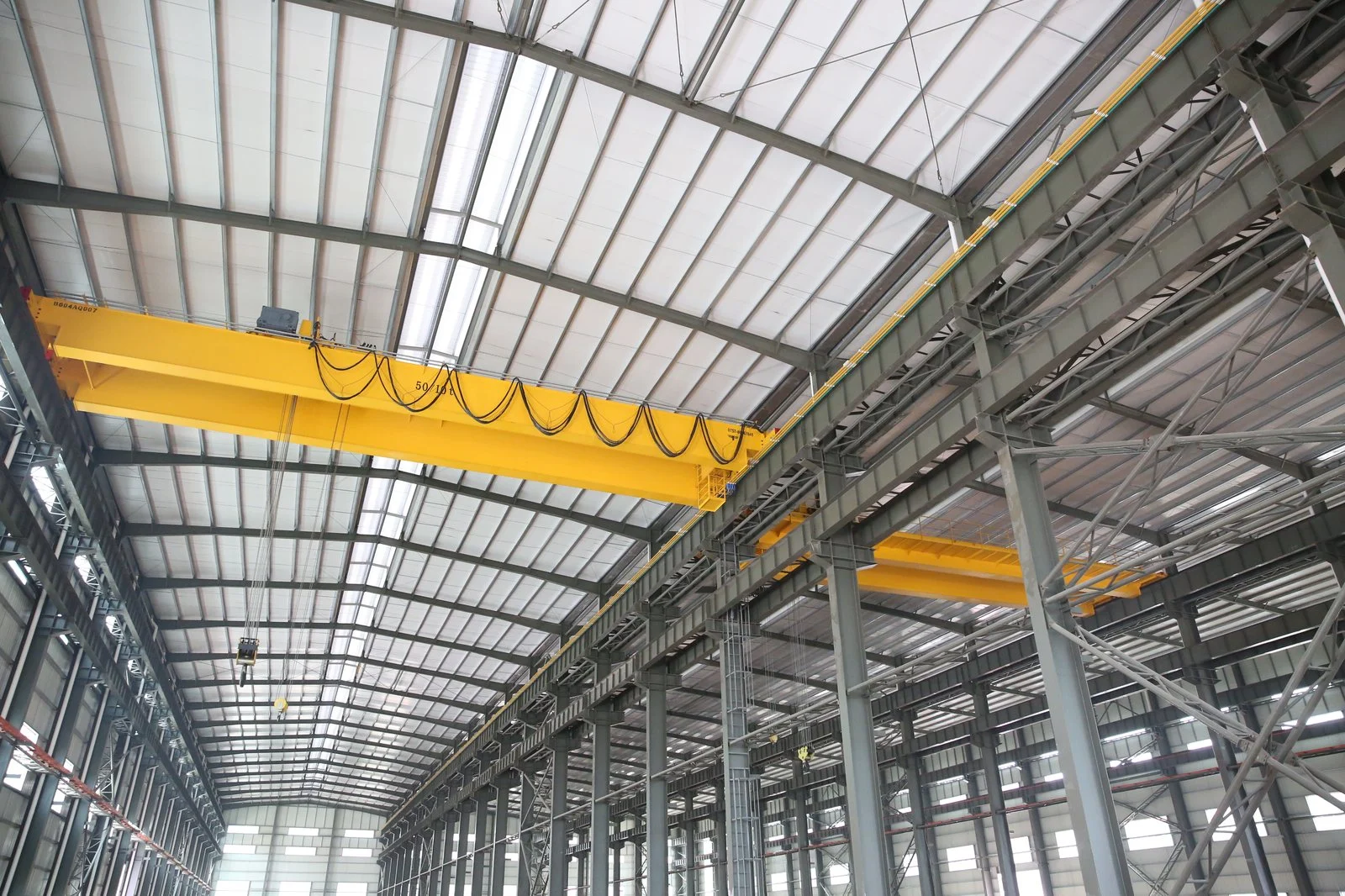
The photos show why span and hook coverage matter. The crane has to work above steel columns, roof bracing and production equipment, while still giving operators enough room to lift safely.
Configuration Notes
- A double girder overhead crane is usually the practical choice when the workshop handles heavier fabricated parts.
- The runway should be checked early, especially in workshops with long bays and repeated heavy lifts.
- Control method, speed setting and hook approach should match the way operators load and turn large parts.
- After installation, regular inspection and service planning should be kept clear; see the crane service page for related support.
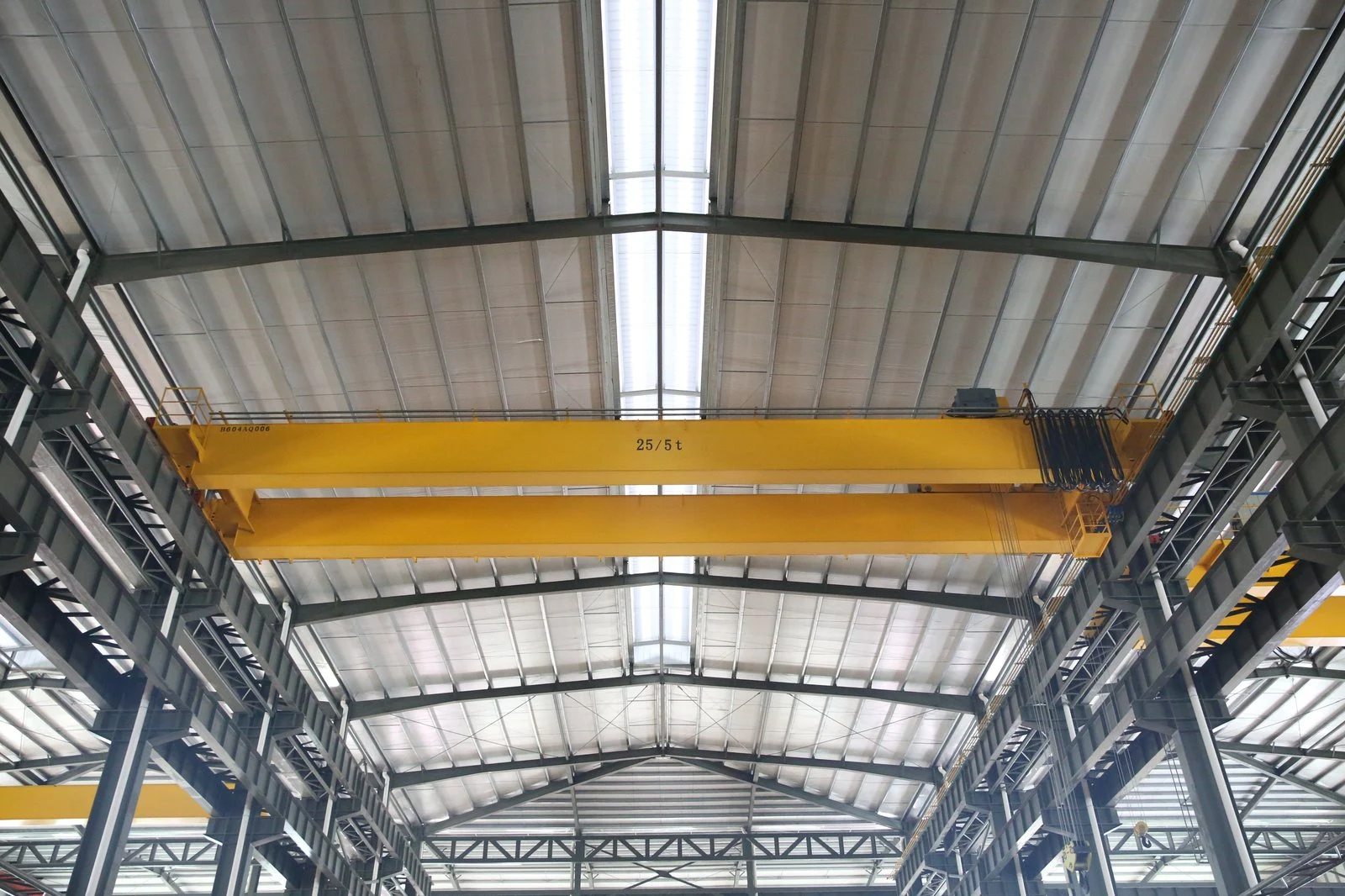
Why This Project Is Useful for Similar Workshops
The main lesson is not complicated: design the crane around the material route. If the load must travel from cutting to welding to assembly, the crane should cover those working points naturally. For a new workshop or an upgrade project, share the bay drawing and several site photos through the contact page before choosing the final model.