
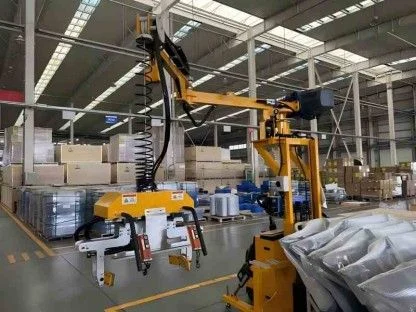
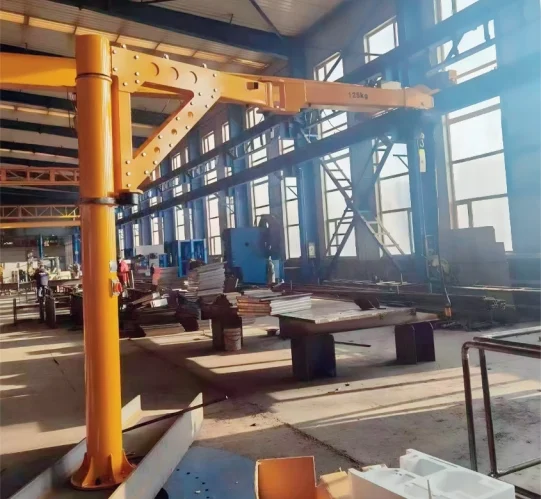
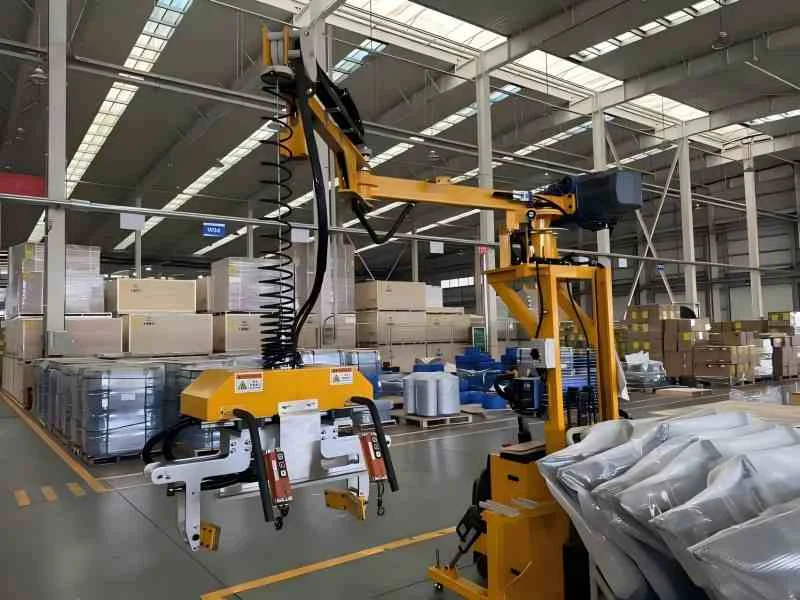
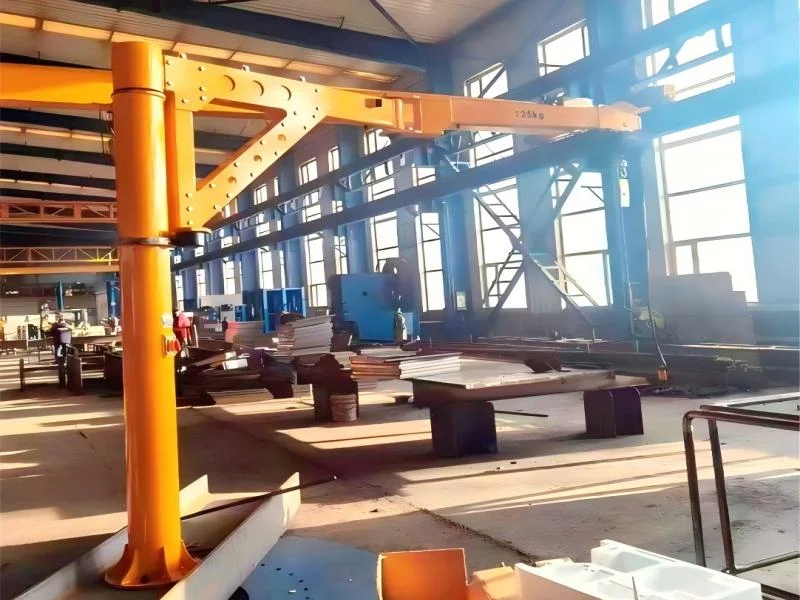
A folding-arm workstation crane for areas where a straight jib arm cannot reach cleanly around machines, columns, fixtures or operator positions.
Project-based quotation. Final price depends on drawings, duty, span, lifting height, hoist choice and electrical configuration.
Typical use scenes help buyers compare whether this crane type fits the lifting route, working duty and installation condition.
Lift parts beside machines, benches and assembly cells with short travel paths.
Keep operators close to the load while reducing manual handling.
Move tools, motors and service parts in flexible work zones.
Use lightweight rail, chain hoist or special trolley layouts where required.
Articulated Crane is not selected as a catalog item only. The practical configuration depends on load shape, lifting frequency, span, lifting height, runway condition, power supply and the way operators move around the site.
A folding-arm workstation crane for areas where a straight jib arm cannot reach cleanly around machines, columns, fixtures or operator positions.
The structure and technical parameters should be checked against the real working condition before production.
| Product | Articulated Crane |
| Type | folding arm |
| Use | work cell lifting |
| Reach | around obstacles |
| Mounting | pillar / wall |
| Hoist | chain hoist |
A crane proposal should match the lifting task, building condition, control preference and delivery requirements.
Rated load, duty class, cycle frequency and reserve capacity are selected from real use.
Runway span, hook coverage and lifting height are checked against building drawings.
Wire rope hoist, chain hoist, winch trolley or special carrier can be matched to the load.
Pendant, wireless remote, cabin, inverter control and anti-sway options can be configured.
Cable reel, festoon, conductor bar or custom electrical protection can be selected.
Drawings, packing, documents and installation guidance are prepared for the project.
Video and document references help check crane movement, installation space and operating details before final confirmation.
Send your project information and our team can share suitable video references, layout drawings or installation photos when available.
The right crane is easier to install, safer to operate and more predictable to maintain.
The proposal starts from drawings, load details and operating rhythm, not only a model name.
Structure, hoist, brake, limit switch and controls are matched to the working duty.
Wear parts, inspection points and electrical components are arranged for service work.
Documentation, packing and communication are prepared for overseas installation teams.
For crane buyers, a similar site reference is often more useful than a model list. Compare installed layouts, lifting routes and working conditions before requesting a proposal.
These answers cover the common details buyers usually need before requesting a quotation.
Use these links to compare crane types, project scenes and related product pages.
Send drawings, load details or a short description of your lifting route. We will check the key conditions before recommending a configuration.